

Basic Elements of Healthcare

When Doing Good for Patients Means Doing Battle with Bureaucracy
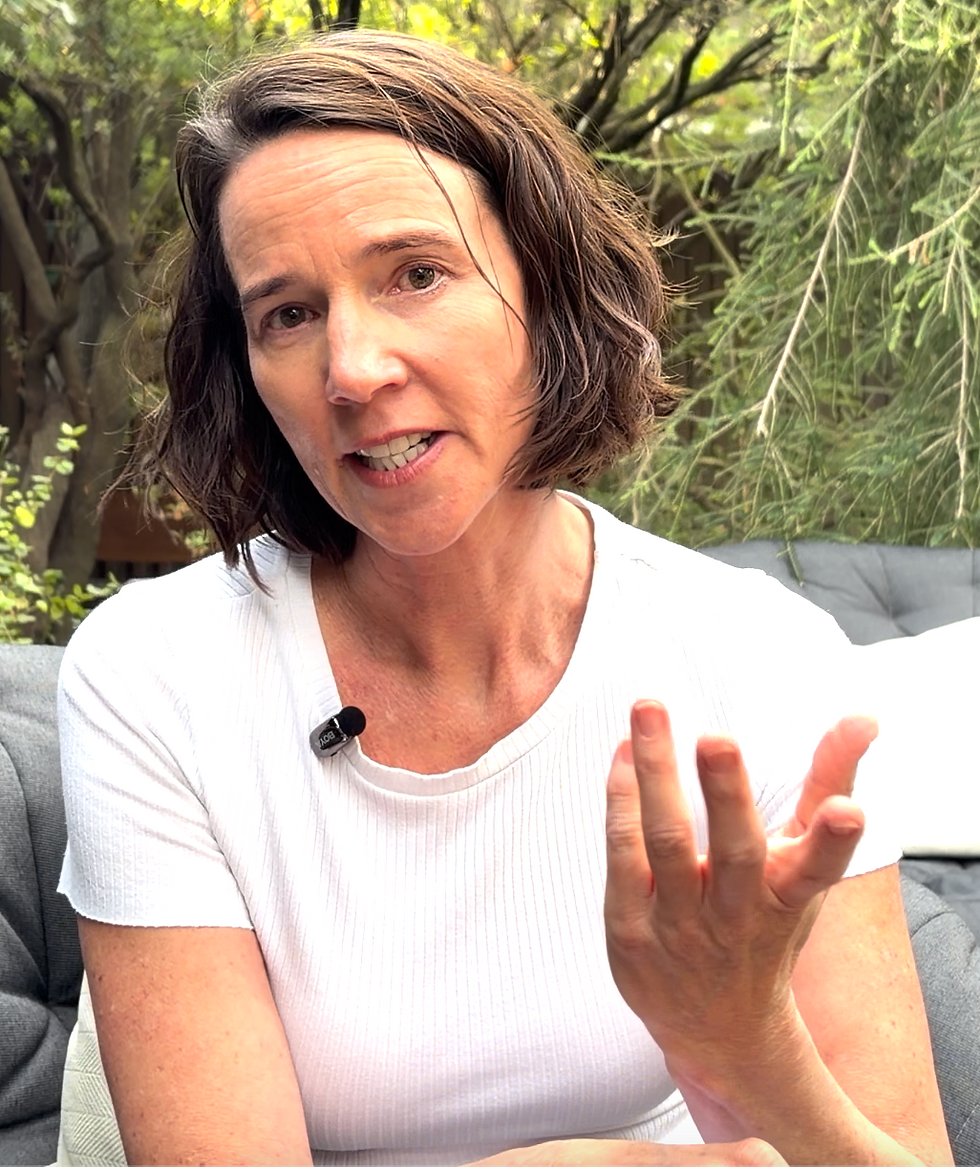
by The MotherMind Doctor
I've been a psychiatrist long enough to know that healing doesn't always happen in a consulting room.
It can happen on a forest trail. It can happen in a number of different environments like wellness activities such as sauna, spa, or simply through learning to breathe differently.
These aren't fringe ideas. They're evidence-based interventions with a growing body of scientific literature behind them, and they form part of what I do every day in my practice, where we run courses grounded in lifestyle medicine and holistic care.
So when I decided to create a small, self-filmed documentary series covering four of these interventions, forest bathing, sauna, cold water immersion, and breathing techniques, it felt like a natural extension of my clinical work.
The plan was straightforward: four episodes, evidence-based, free to access on YouTube, designed to inform both patients and colleagues. No commercial return. No sponsorship deals. Just good information, made accessible.
What I didn't anticipate was how complicated it would be to simply get permission to do it.
It started with a reasonable question
Two of the four episodes are being filmed in New South Wales National Parks. To film there, you need public liability insurance. That prompted a seemingly simple enquiry to my professional indemnity insurer: does my existing policy cover me for this kind of activity?
I assumed there would be a quick answer. After all, the content is directly related to my area of practice. I'm not bungee jumping or performing surgery on camera. I'm walking through a forest and talking about why the evidence says it's good for your mental health.
But as anyone who has ever tried to get a straight answer from a risk assessment service will tell you, "quick" and "approval" rarely belong in the same sentence.
Three departments, one phone call, no answer yet
My first point of contact was a member services consultant. They were genuinely helpful, pulled up my file, and went looking through the product disclosure statement for anything that might address my situation. They even cited that other practitioners would likely be involved in susch activities so may be able to locate in the fine print.
After several minutes on hold, they came back with an honest response: they couldn't find anything specific in the literature and would need to transfer me to the medico-legal team.
So I was transferred.
The lawyer I spoke with, was thoughtful and thorough. She asked good questions about what I was filming, what I'd be saying, who the audience was, and whether my peers would consider the content to be within the bounds of accepted practice. All fair questions. But when it came to the central issue, whether my policy would actually cover me, she was clear: as a lawyer, she couldn't give policy advice. That was a matter for underwriting.
So the recommendation was to put together a written outline of the project, email it to the member services team, and wait for an underwriter to assess whether the activity falls within my current policy or whether I'd need to adjust my coverage.
Three departments. One phone call. And the answer, essentially, was: we'll get back to you.
The five-day wait
The expected turnaround for the underwriting review is approximately five days. My first filming date is the 5th of April. That's a couple of weeks away, which should be enough time, but there's a certain irony in the fact that creating free health education content requires more administrative effort than most of the clinical work it's designed to support.
To be fair, the process itself isn't unreasonable. Insurers need to understand what they're covering, and activities outside the usual scope of clinical practice warrant review. I get that. What struck me, though, was how ill-equipped the system seemed to be for a situation that, frankly, should be becoming more common.
The bigger picture

We live in a time when clinicians are being encouraged to engage with the public, to share knowledge, to use digital platforms to educate and inform. Social prescribing, the practice of referring patients to non-clinical interventions like community groups, exercise, nature-based activities, and creative pursuits, is well established in Europe and gaining significant traction in Australia. The evidence base for interventions like forest bathing is real and growing. These aren't wellness fads. They're legitimate, researched approaches to improving mental and physical health.
And yet, when a clinician tries to create free educational content about these very interventions, the system doesn't quite know what to do with it.
The insurer's frameworks are built around traditional clinical activity: consultations, procedures, treatment. When you step outside that box, even slightly, even in service of the same patients and the same goals, you enter a grey zone. And grey zones, in insurance, mean paperwork.
What I'm not saying
I want to be clear: I'm not criticising my insurer. The people I spoke with were professional, courteous, and genuinely trying to help within the constraints of their roles. The process exists for good reason, and I'd rather have an insurer that takes risk assessment seriously than one that doesn't.
What I am saying is that the structures around clinical practice haven't caught up with the reality of how modern healthcare is delivered and communicated. Clinicians are educators. We always have been. The medium is changing, but the intent is the same: to help people make better decisions about their health.
If we want doctors to engage with the public through content creation, through social prescribing advocacy, through evidence-based education, then the systems around them need to make that easier, not harder.
What's next
I've submitted my written request to the underwriting team. I'm waiting for the green light. And in the meantime, I'm preparing the content, refining the scripts, and securing locations such as the one in the national park where the first episode will be filmed.
The series will cover four topics:
· Forest bathing — the science behind nature immersion and its effects on stress, mood, and immune function
· Sauna — the cardiovascular and mental health benefits of regular heat exposure
· Cold water immersion, Breathing techniques — what the research says about cold therapy and resilience
· Spa — evidence-based approaches to hydrostatic pressure and immersion health benefits.
Each episode is designed to be informative, accessible, and grounded in the current evidence. It's not a replacement for clinical care. It's an adjunct, a resource I can refer my own patients to and share with colleagues who are interested in integrating lifestyle medicine into their practice.
If all goes to plan, the first episode will be filmed in April 2026. If the red tape cooperates, that is.


Comments